Framing Within a Frame
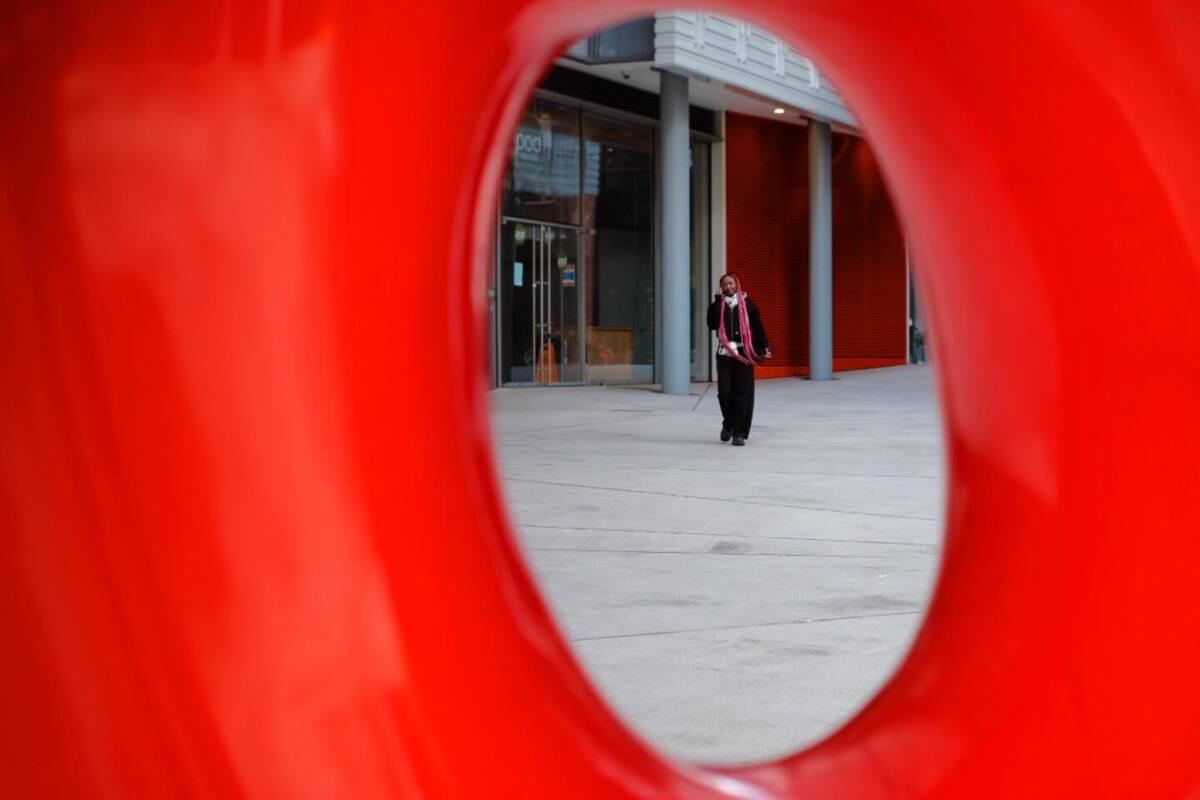
Photo: lukes.photos
Doorways, windows, arches, tunnels, gaps in crowds, car windows. Anything that creates a frame within your frame. Place your subject inside it.
This is one of the oldest compositional tricks and it still works because it directs the eye exactly where you want it.
Watch for: the frame within the frame needs to be clearly defined. A vague arch doesn't work as well as a crisp doorway. Commit to it or don't use it.
Any. Focus on the subject inside the frame, not the frame itself.
Get the full deck — 150+ prompt cards with complete technique breakdowns, assignments, and camera settings. One purchase for lifetime access, a founding price for our first 50 members before it moves to a subscription.
Get the full deckWhat the technique does
A frame within a frame uses an element inside the photograph — a doorway, window, archway, mirror, gap between people — to enclose your subject, putting a second border inside the border of the picture. It is one of the oldest and most reliable compositional devices, and the street is full of natural frames if you train yourself to see them.
It works for three reasons at once. It isolates the subject, cutting them out of a busy scene and telling the viewer exactly where to look. It adds depth, layering a foreground frame in front of a subject behind it so the flat image gains dimension. And it adds context, because the framing element — a shop window, a car door, a bus shelter — usually says something about the place. One device, three jobs.
Where to find frames on the street
Architectural openings: doorways, arches, windows, scaffolding gaps, underpasses, railings. Shoot through them so the opening surrounds a subject beyond.
Reflections and mirrors: shop windows, car wing mirrors, puddles — these frame a subject and add a second layer of image at once (they pair naturally with the reflections technique).
Transport: bus and train windows, car windscreens, the frames of a phone box. The vehicle's own structure becomes the border.
People and objects: the gap between two bodies, under a raised arm, between the legs of a crossing pedestrian, through the handles of a bag. Human frames are the most advanced and the most rewarding.
Light and shadow: a shaft of light on a wall, or a pool of shade, can frame a subject as effectively as any solid object.
How to make it work
Put the frame in the foreground, the subject beyond. The layered depth is the point — a frame on the same plane as the subject is just a border, not a frame within a frame.
Decide your focus deliberately. Usually you focus on the subject and let the framing element sit softer in the foreground, but a sharp frame with a soft subject can work for mood. A small aperture (f/8+) keeping both sharp suits the street's documentary look; a wide aperture throwing the frame out of focus isolates more aggressively.
Darken the frame to strengthen it. A frame that is darker than the subject — a shadowed doorway around a lit figure — pulls the eye through powerfully. Expose for the subject and let the surround go dark.
This is a fishing technique. Find a strong frame — a great doorway, an interesting window — set your exposure and focus, and wait for a subject to enter it. You are building the composition first and letting the street complete it, which is the most efficient way to work (see [hunting vs fishing](/cards/hunting-vs-fishing)).
Common mistakes
The frame overwhelms the subject. If the framing element is too dominant, too bright, or too detailed, it competes with the subject instead of serving it. The frame is the supporting actor; keep it simpler and darker than what it surrounds.
No subject inside the frame. A beautifully framed empty doorway is a photograph of a doorway. The technique needs a subject — usually a person — inside the frame to resolve. This is why it rewards patience and fishing.
Frame and subject on the same plane. Without depth separation there is no 'within' — it just looks like a busy edge. Get the frame clearly in front of the subject.
Forcing it. Not every scene wants a frame, and hunting for one everywhere leads to gimmicky pictures. Use it when the street offers a genuine frame, not as a filter applied to everything.
Field Questions
What is a frame within a frame in photography?
It is using an element inside the photo — a doorway, window, mirror, arch or gap between people — to enclose your subject, creating a second border within the picture's edges. It isolates the subject, adds depth, and gives context all at once.
How do you use frame within a frame in street photography?
Find a strong framing element (an architectural opening, reflection, or gap), place it in the foreground with your subject beyond it, expose for the subject, and let a darker frame pull the eye through. It works best as a fishing technique — set up on the frame and wait for a subject to enter.
What can you use as a frame on the street?
Doorways, windows, arches, underpasses and railings; reflections in shop windows and mirrors; bus and car windows; shafts of light or pools of shadow; and gaps between people or objects. Human frames — the space between two bodies or under a raised arm — are the most rewarding.
Should the frame be in focus or blurred?
Either works. A small aperture keeping both frame and subject sharp suits the documentary street look; throwing the foreground frame out of focus isolates the subject more aggressively. Focus on the subject by default, and make the choice deliberately rather than by accident.